
Chinese chip juggernaut on its way?
The ‘Big Fund’ subsidy from the Chinese government to its local semiconductor supply chain risks creating massive over-capacity, especially in mature-node chips. This could lead Chinese chip companies to dump very cheap, good quality products on European and Asian markets. This could be an existential threat to non-Chinese manufacturers of mature-node chips.
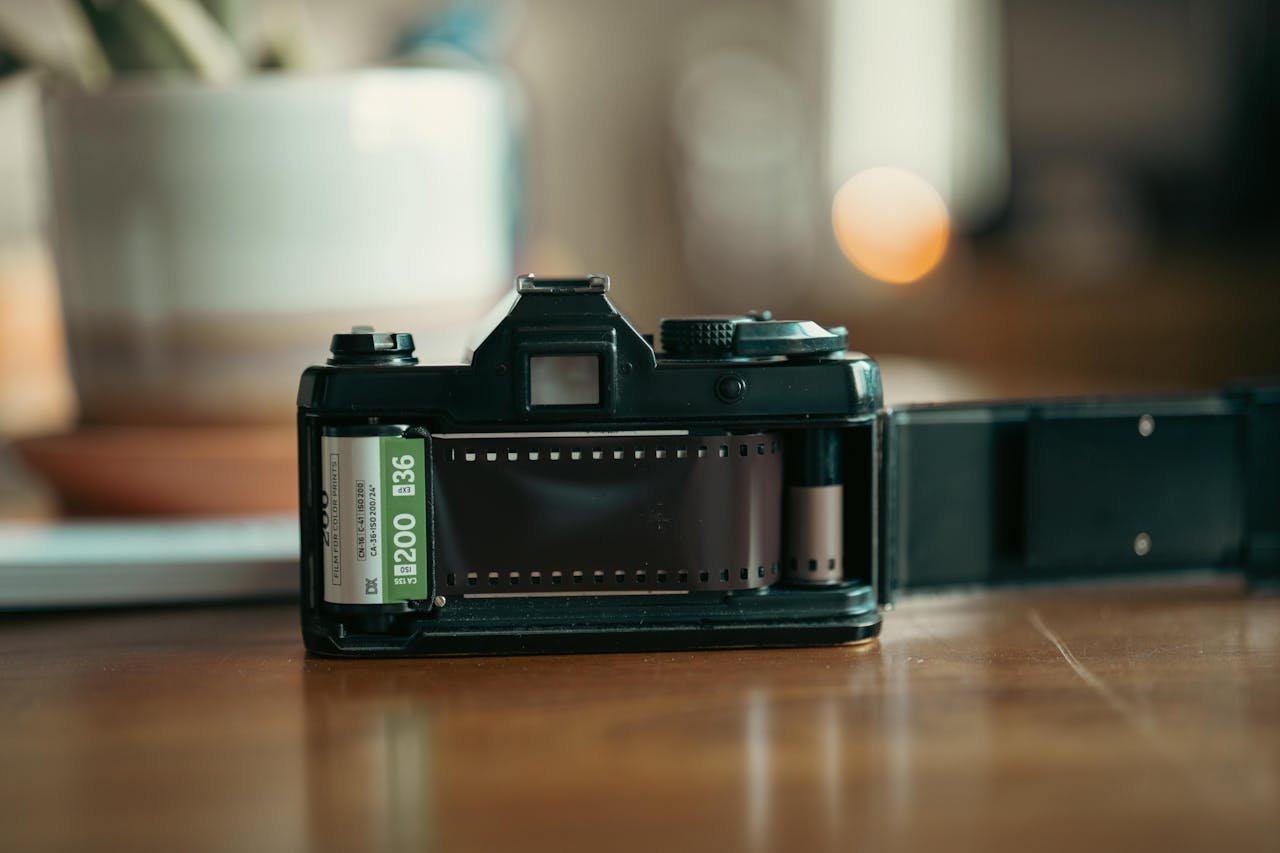
Most semiconductor products’ value propositions are hidden from view. It need not be so.
Photography - the freedom to take pictures any time, anywhere - was a great unmet need until the emergence of the smartphone with its built-in high-resolution camera.
There is today a similar unmet need for product information. Design engineers want the freedom to learn the value proposition for all products in component companies’ portfolios, but only a vendor’s highest-priority products have the rich set of information assets, such as technical articles, application guides and white papers, which the engineer needs.
Now the technology of AI and marketing automation means that all customers can for the first time learn the full value proposition of every product. This article explains how.
How to get found online? Provide real answers to design engineers’ questions.
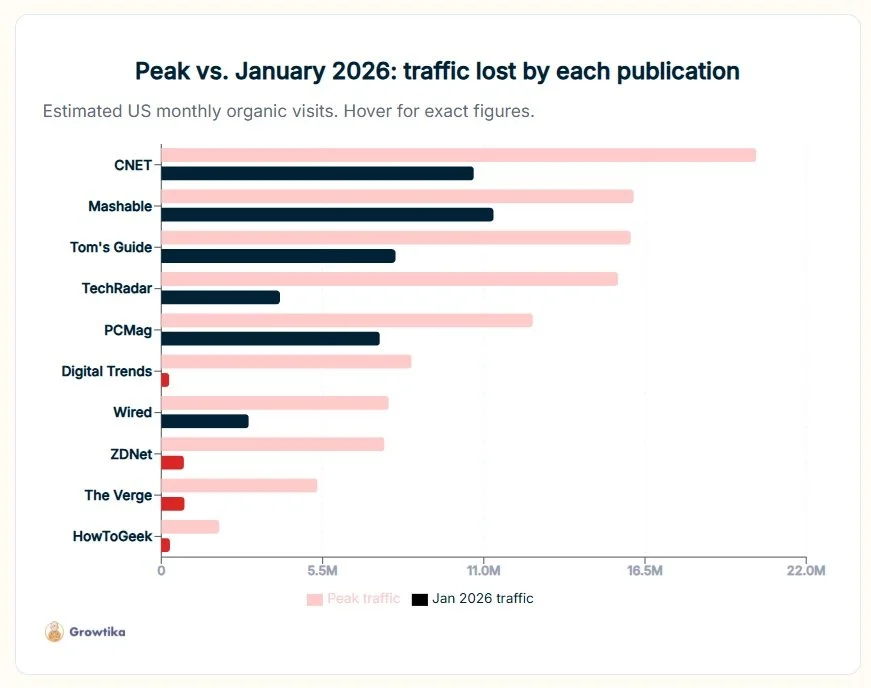
New statistics show a precipitous fall in the amount of organic traffic going from Google search to top US-based technology publications - and the fall happened after Google introduced AI overviews to its search results.
So traditional keyword-based SEO looks doomed. This blog explains what replaces it - and how deep tech companies can profit from the trend by dramatically increasing their exposure to the LLMs which generate chatbot answers and AI overviews.
‘Own your audience’: if publishers are doing it, so should semiconductor companies
So much for the datasheet: how do customers feel about your semiconductor product?
Decades of experience have taught car companies the power of emotion to affect consumers’ buying decisions. So why is semiconductor product advertising an emotion-free zone?

SEO, AIO: too much supply, too little demand
Like a podcast creator or Substack author, deep tech brands can become the go-to content source for specific micro-audiences. This is a better approach to the current information environment than the ever-diminishing-circles struggle that is SEO/AIO.